Industry organizations, DJs and festival organizers explore the challenges and opportunities surrounding sustainability and green practices in electronic music.
By Jim Ottewill for Beatportal
“Sustainability isn’t an ‘add on’,” says Clare O’Neill, CEO and Co-Founder at A Greener Future (AGF), a not-for-profit company helping organizations and events reduce their environmental impact.
“It’s an intrinsic way that we should live, which is easy to forget when most of us have been born into an extractive, exploitative society.”
The summer’s searing European heatwaves have made clear that the climate crisis is taking place now and we are poorly prepared. Extreme weather led to the cancellation of events including Dutch festival Defqon.1 and Solidays in Paris, while AGF, EarthPercent, DJs for Climate Action and the Bye Bye Plastic Foundation are among organizations across the industry highlighting sustainable initiatives. Conversations at ADE Green, IMS Ibiza and beyond now cover waste management, travel, food, renewable energy and the changes electronic music must make to secure its future. The big question is whether this is too little, too late.
While artist air travel is more than 17 times high as the recommended personal carbon budget, AGF research shows an appetite among festivals for greener behavior. Of 24 assessed events across 12 countries, 85 percent have completely banned single-use plastics.
AGF also found that many festivals achieving its ‘Outstanding’ Greener Festival certification are electronic events.
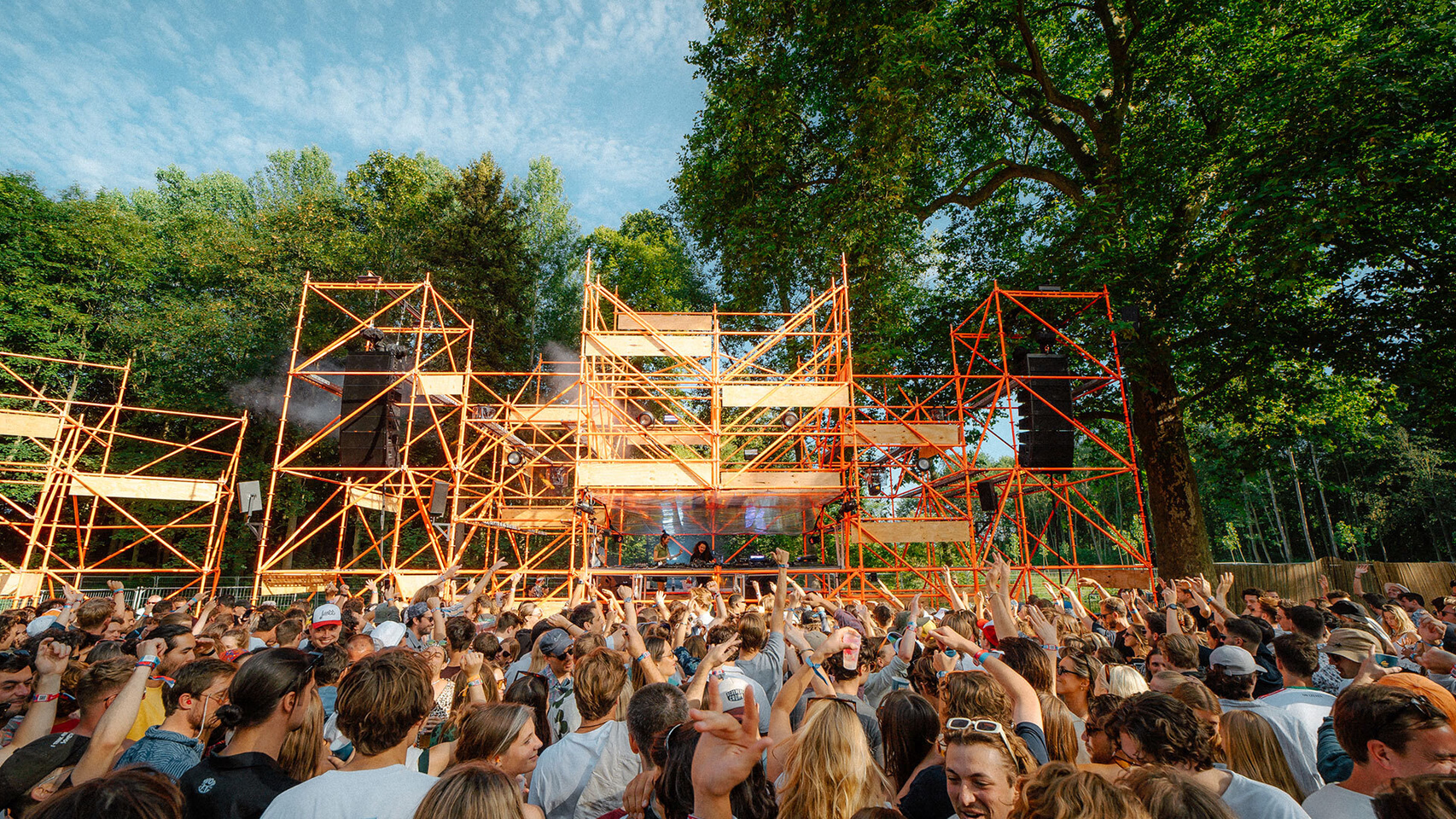
“Paradise City in Belgium and DGTL in the Netherlands are both plant-based, powered by renewable energy, and have excellent travel networks that encourage low carbon travel,” Claire says.
“Portugal’s Boom Festival owns its site and has spent years regenerating the biodiversity on the land and using permaculture techniques within the festival itself. They’ve created a transformative space and are an example of how humans can live at scale in a harmonious way with the environment and each other.”
EarthPercent
Electronic music and its ecosystem of music streaming and global events has a heavy carbon footprint, driven by a plethora of festivals, international touring and digital music consumption. According to the Greener Festival report, which analyzed data from events held in 17 countries, the average festival produces 500 tonnes of carbon dioxide emissions.
As Indian DJ/producer Kiss Nuka says: “The world is literally on fire, and it’s getting worse. There ain’t gonna be any dance music on a burning planet where people are trying to survive. What more motivation to do something do we need?”
Different industry organizations are looking to respond to this crisis, including EarthPercent, one supported by Kiss Nuka, who has pledged a percentage of touring income from her sets to the foundation. Co-founded by activist and musician Brian Eno, the organization aims to “unleash the power of music in the service of the planet”. Alice Pelly, EarthPercent’s Head of Brand Partnerships, previously worked at the Warner Music Group as a Senior Account Manager in the Brand Partnership Team before channeling her energies into the organization and spoke at IMS about green issues earlier this year.
“Historically, there can sometimes be a fear of criticism with DJs and artists thinking, ‘I take flights, and I can’t talk about climate’,” Alice says. “But you don’t have to be living off-grid with zero emissions to have a perspective on this; we all need to speak about it and the more of us who do, the better.”
“In the dance music space, it’s essential that events are operationally as environmentally-friendly as possible, but EarthPercent is trying to push this into a conversation around social advocacy. Climate justice is a global problem, impacted by those in government and how they manage oil and gas. While the ways in which events look after waste and green energy is important, we want to elevate this conversation as a social issue that relates to everything, not just the music industry but our ability to live healthy and safe lives.”
Nature is officially credited as a recording artist on major streaming platforms thanks to the Sounds Right partnership with EarthPercent and the Museum for the United Nations. Musicians release tracks that sample natural sounds, such as birdsong or glaciers, then when this music is streamed, nature receives a royalty.
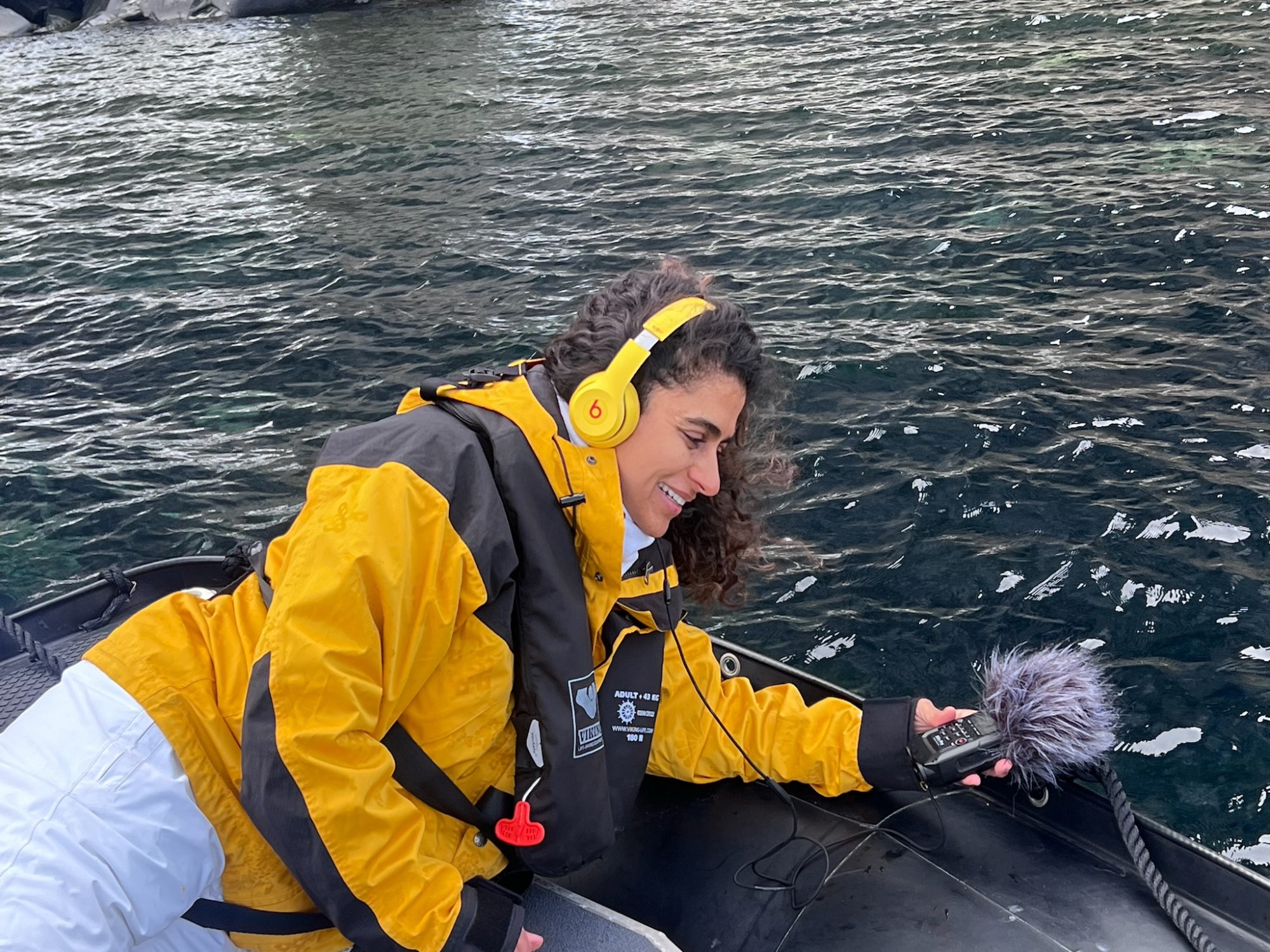
Madame Gandhi partnered with EarthPercent for the initiative, crediting nature as an official recording artist on her album, Let Me Be Water. It’s a record full of ambient texture and electronic grooves directly inspired by the natural world.
“When a DJ plays music that has lyrics or spoken samples talking about loving people or the planet, it comes to be a very transcendental experience and can make audiences more receptive to new ideas,” she says.
“My partnership with Music Climate Foundation EarthPercent has allowed me to use nature in my music, either sonically or via inspiration and crediting Earth as a co-writer. This way artists are literally putting money where their mouth is, and are serving their communities within their music.”